

What a Vehicle History Report Can—and Can’t—Tell You

A vehicle history report can reveal important records about a used car’s past. It doesn’t establish its current mechanical condition or predict how dependable it will be.
A vehicle history report can reveal important records about a used car’s past. It doesn’t establish its current mechanical condition or predict how dependable it will be.
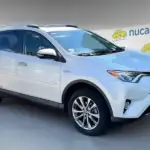
A used hybrid can be a smart fit for drivers who want better fuel efficiency without giving up the convenience and driving range of a gasoline engine. The key is evaluating the whole vehicle—not just the MPG number.

Buying new may make sense when factory warranty coverage, the latest features, and having no prior retail owner are your main priorities. Buying used may make more sense when you want greater purchase-price flexibility, more brands and model years to compare, or the opportunity to get a higher trim level within your budget.
Smoke from Canadian wildfires has recently affected air quality across parts of the Midwest, Northeast, and Mid-Atlantic.¹ When wildfire smoke reaches the Gorham area, fine airborne particles may enter a vehicle through open windows or when the climate-control system draws in outside air.
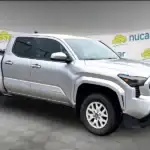
Affordable used trucks are getting more attention because many drivers want pickup utility without moving into a larger, more expensive new truck. Recent small-truck coverage has put a spotlight on simple, lower-priced pickups and reminded shoppers that a truck does not have to be oversized or overloaded with features to be useful.¹ ²

Used electric vehicles are moving into a more practical phase for shoppers who want modern efficiency without the higher cost of many new EVs. As more pre-owned electric vehicles reach the market in 2026, drivers may find more opportunities to compare range, features, mileage, and price across a growing mix of used EV options.¹

Mileage and age both matter when buying a used car, but the smarter choice usually comes down to condition, maintenance history, and how well the vehicle fits your driving needs. The odometer and model year give you useful context. They do not make the decision by themselves.

Used hybrids are getting a lot more attention in 2026 because they answer a very practical question: how do you spend less on fuel without changing everything about the way you drive? For many shoppers, a pre-owned hybrid is starting to look like the middle ground that makes the most sense.

If you’re shopping for a used vehicle in March, you’re not alone. Tax season brings a rush of buyers—especially folks who’ve been waiting on a refund to finally make a move.

Ever hop into a “new-to-you” used car, pull out of the lot, and realize it still knows somebody else’s phone, home address, and favorite radio stations? In 2026, that’s not weird—it’s normal.