

What Should You Know Before Buying a Used Hybrid?
A used hybrid can be a smart fit for drivers who want better fuel efficiency without giving up the convenience and driving range of a gasoline engine. The key is evaluating the whole vehicle—not just the MPG number.
Along with the same condition, maintenance, mileage, and financing questions that matter with any pre-owned vehicle, used-hybrid shoppers should understand the type of hybrid system they are buying, the condition of the traction battery, any remaining warranty coverage, and how the vehicle fits their everyday driving.
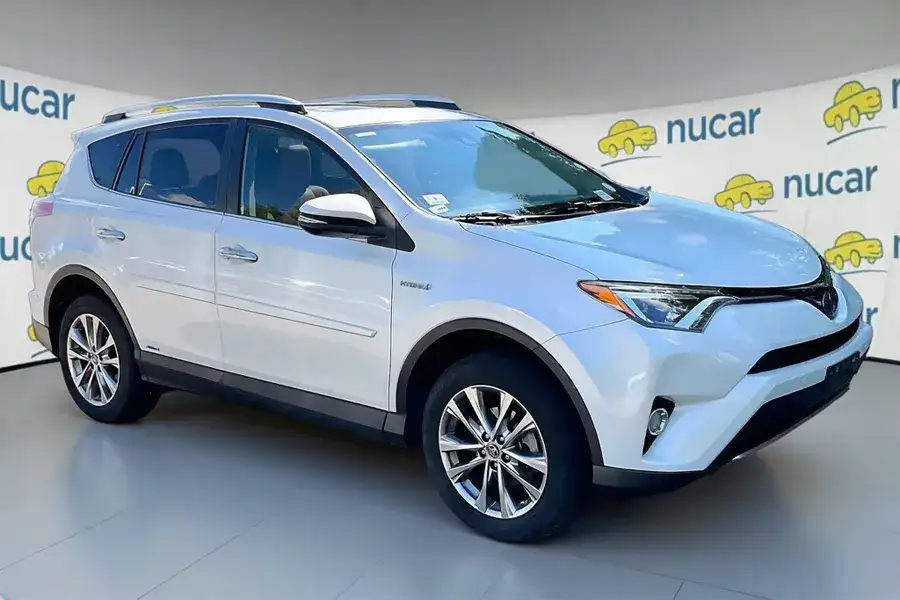
What Should You Check Before Buying a Used Hybrid?
Start with these seven areas:
- Hybrid type: Know whether you are looking at a mild hybrid, full hybrid, or plug-in hybrid.
- Battery condition: Review available hybrid-system diagnostics, service records, and battery-related repairs.
- Warranty coverage: Confirm whether any original hybrid-system or battery coverage remains on the specific vehicle.
- Maintenance history: Hybrids still have gasoline-engine maintenance needs along with their electric-drive components.
- Vehicle history and condition: Review the individual vehicle’s history, mileage, tires, brakes, suspension, and overall condition.
- Real-world efficiency: Compare the EPA rating for the exact year and configuration with the way you actually drive.
- Total ownership cost: Look beyond fuel savings to insurance, financing, maintenance, and potential repair costs.
That gives you a stronger basis for comparing one used hybrid with another—and for deciding whether a hybrid fits your budget and routine in the first place.
Hybrid, Mild Hybrid, or Plug-In Hybrid: What’s the Difference?
Not every vehicle carrying a hybrid badge works the same way.
| Hybrid Type | How It Works | Does It Plug In? | What Used Shoppers Should Know |
| Mild Hybrid | An electric motor assists the gasoline engine but does not normally propel the vehicle by itself. | No | Fuel-saving benefits and system design vary considerably by manufacturer and model. |
| Full Hybrid (HEV) | A gasoline engine and one or more electric motors can work together, with some systems able to operate briefly on electric power at lower speeds. | No | The traction battery is recharged through regenerative braking and the gasoline engine.¹ |
| Plug-In Hybrid (PHEV) | A larger battery allows the vehicle to use externally supplied electricity along with a gasoline engine. | Yes | Charging regularly can make a major difference in how much of your driving is completed using stored electricity.² |
This distinction matters because your routine matters. A conventional hybrid may appeal to someone who wants electrified efficiency without plugging in, while a PHEV may make more sense when regular charging is convenient at home or work.
How Important Is the Battery in a Used Hybrid?
The traction battery is one of the most important hybrid-specific components to evaluate, but age or mileage alone does not tell you its condition.
Hybrid batteries are engineered for extended vehicle use, and their actual condition depends on the battery design, age, operating history, temperature exposure, and other factors. There is no universal mileage at which every hybrid battery needs replacement.
For a specific used hybrid, find out:
- Whether the traction battery has previously been repaired or replaced
- Whether hybrid-system warning lights or diagnostic codes are present
- What battery or hybrid-system diagnostic information is available for that vehicle
- Whether relevant battery-cooling components have required maintenance
- Whether any original battery or hybrid-system warranty remains
- What the applicable warranty covers and whether it transfers to another owner
Out-of-warranty traction-battery replacement can be a significant expense, which makes battery condition and warranty status worth understanding before purchase.³
That does not mean an older hybrid should automatically be crossed off your list. It means the battery should be evaluated as one part of the vehicle’s overall condition.
Used Hybrids Still Need Regular Maintenance
A hybrid still has many of the maintenance needs found in a conventional gasoline vehicle.
Because hybrids and plug-in hybrids retain an internal-combustion engine, routine service can include engine oil and filter changes, fluids, filters, spark plugs, tires, steering and suspension components, and other normal wear items. The electric motor, traction battery, and related electronics generally require relatively little scheduled maintenance.³
Regenerative braking can reduce use of the conventional friction brakes, but the brake system still needs normal inspection and service.
Maintenance history is especially useful when comparing two used vehicles with similar mileage. A well-documented service record can give you more context than an odometer reading by itself.
For a Gorham household making regular runs between home, Main Street, and activities around the Town Common, that combination of fuel efficiency and familiar gasoline-vehicle service needs can make a hybrid easy to incorporate into everyday driving.
What Should You Look for on a Used Hybrid Test Drive?
A good used-hybrid test drive should evaluate the complete vehicle, not just the electric components.
Check steering feel, braking, visibility, seat comfort, climate control, infotainment, tire noise, suspension behavior, and the normal operation of dashboard displays and warning lights.
Hybrid-specific checks can include:
- Confirming that no hybrid-system warning lamps remain illuminated
- Listening for unusual noises during acceleration and braking
- Checking that power delivery feels smooth and consistent
- Testing the heat and air conditioning
- Trying applicable drive modes and energy displays
- Confirming that regenerative and conventional braking feel predictable
- For a PHEV, checking the charge port and verifying that the vehicle accepts a charge
If the vehicle will regularly carry children, sports equipment, groceries, or other everyday cargo, the test drive is also the time to evaluate passenger space and loading practicality. A trip to the Libby Recreation Complex requires a different kind of usefulness than a solo commute, and the vehicle should fit the routines you expect it to handle.
How Does Cold Weather Affect a Hybrid?
Cold weather can reduce fuel economy in both conventional and electrified vehicles, which is particularly relevant for drivers in northern New Hampshire.
The engine takes longer to reach its most efficient operating temperature in cold conditions, cabin heating uses energy, and winter tires, road conditions, and other seasonal factors can also affect efficiency. Controlled federal testing has found that the effect can be especially noticeable in hybrids.⁴
That makes the EPA fuel-economy rating a useful comparison point rather than a guarantee of what you will see every January.
For regular drives north on the Berlin-Gorham Road or other winter routes around the North Country, pay attention to more than the hybrid badge. Check the exact vehicle’s drivetrain, tires, ground clearance, heating performance, and equipment to make sure it suits your winter routine.
Look at the Exact MPG Rating, Not a General Hybrid Number
Hybrid fuel economy varies by vehicle, model year, powertrain, drivetrain, wheel and tire configuration, and other factors.
A shopper looking at two generations of the same model may find meaningful differences between them, so use the EPA rating for the exact year and configuration you are considering rather than assuming every version performs the same way.
Your driving pattern matters just as much.
Someone making frequent shorter trips around Gorham may use a hybrid differently from a driver regularly heading down Route 16 through Pinkham Notch. Likewise, a PHEV becomes a different ownership proposition when you can charge consistently compared with one that spends most of its time operating on gasoline.
The right question is not simply, “What MPG does a hybrid get?” It is, “How efficiently should this particular hybrid work for the way I drive?”
Make Sure the Hybrid Fits More Than Your Commute
Efficiency gets much of the attention, but a used hybrid still needs to function as your car, SUV, van, or truck.
Compare:
- Passenger and cargo space
- Seating comfort
- Drivetrain and winter traction needs
- Ground clearance
- Visibility
- Technology and phone connectivity
- Tire condition
- Cargo access
- Roof-rack, hitch, or other equipment when relevant to your plans
If weekends include bikes, hiking gear, picnic supplies, or camping equipment for a day around Moose Brook State Park, cargo flexibility may matter just as much as fuel economy.
The same applies to regional recreation. A vehicle carrying gear toward Jericho Mountain State Park may spend most of its time on regular public roads and parking areas; choosing the right hybrid means matching its verified capability to that use rather than assuming every hybrid SUV is intended for off-road driving.
Review the Vehicle History, Warranty, and Recall Information
Hybrid-specific research supplements the normal used-car buying process rather than replacing it.
Review the available vehicle-history report and maintenance records when available. You should also review the FTC Buyers Guide displayed with the individual used vehicle. The Buyers Guide identifies whether the vehicle is being offered with dealer warranty coverage or under another applicable warranty disclosure.⁵
If an unexpired manufacturer warranty may still apply, confirm the coverage using the vehicle’s VIN and the applicable warranty information. Hybrid-system and traction-battery warranties vary by manufacturer, model year, and vehicle.
A VIN-specific recall search is another useful step. NHTSA’s recall lookup can show unrepaired safety recalls associated with many vehicles, although its results have stated limitations.⁶
Those checks give you a clearer picture of the individual vehicle instead of relying on assumptions about the model as a whole.
Compare the Total Cost of Owning a Used Hybrid
Fuel savings are only one part of the budget.
Compare the purchase and ownership picture as a whole:
- Vehicle price
- Financing terms
- Insurance
- Expected fuel or electricity use
- Maintenance history
- Current tire and brake condition
- Remaining warranty coverage
- Potential repair needs
- Trade-in value
- For a PHEV, your access to convenient charging
A hybrid that fits your driving and budget can be a compelling used-vehicle choice, but the numbers should work even before projected fuel savings enter the conversation.
At Nucar Pre-Owned Superstore Gorham, you can apply for financing online to begin reviewing your options. If you have a vehicle to put toward your next purchase, you can also value your trade before you visit.
What Are the Most Important Questions to Ask Before You Buy?
Before choosing an individual used hybrid, make sure you understand:
- What type of hybrid system does it use?
- What do the vehicle history and available service records show?
- What hybrid-battery diagnostic information is available?
- Has the traction battery been repaired or replaced?
- Does any battery or hybrid-system warranty remain?
- Are there unresolved warning lights, diagnostic concerns, or applicable recalls?
- How do the tires, brakes, suspension, and other wear items look?
- What is the EPA fuel-economy rating for this exact year and configuration?
- Does the vehicle have the passenger space, cargo room, traction, and equipment you need?
- Does the complete purchase fit your budget after financing, insurance, fuel, and maintenance are considered?
Those questions keep the buying process focused on the individual vehicle and the way you intend to use it.
Frequently Asked Questions About Buying a Used Hybrid
Do used hybrids need to be plugged in?
Conventional hybrid electric vehicles do not plug in. Their traction batteries are replenished through regenerative braking and the gasoline engine. Plug-in hybrids have larger batteries that can also be charged from an external power source.¹ ²
What should I check on a used hybrid battery?
Review available battery or hybrid-system diagnostic information, service history, warning lights, prior battery repairs or replacement, and any remaining warranty coverage. Battery condition should be evaluated for the individual vehicle rather than estimated from age or mileage alone.
Does cold weather affect hybrid fuel economy?
Yes. Cold temperatures and winter driving conditions can reduce hybrid fuel economy, just as they affect conventional vehicles. Cabin heating, engine warm-up, tires, road conditions, and driving behavior can all influence real-world results.⁴
Are used hybrids expensive to maintain?
Hybrids and plug-in hybrids retain many of the regular maintenance requirements of gasoline vehicles because they still use an internal-combustion engine. Their electric-drive components generally require relatively little scheduled maintenance, while regenerative braking may reduce friction-brake wear.³ Actual maintenance and repair costs depend on the individual vehicle.
Should I avoid an older hybrid?
Not solely because of its age. Vehicle condition, maintenance history, mileage, battery condition, equipment, and warranty status all matter. An older hybrid with clear maintenance information may deserve consideration just as a newer vehicle still deserves a careful review.
What should I check when buying a used plug-in hybrid?
In addition to normal used-vehicle checks, confirm that the charge port and charging system function properly, determine what charging equipment is included with the individual vehicle, review battery condition and warranty status, and decide how regularly you will be able to charge.
Can I finance a used hybrid?
Used hybrids can be financed like other pre-owned vehicles, subject to the lender, vehicle, applicant qualifications, loan structure, and other factors. You can start with our online finance application or contact our finance team to review your next steps.
Can I have my used hybrid serviced at Nucar Pre-Owned Superstore Gorham?
Nucar Pre-Owned Superstore Gorham provides auto maintenance and repair services. When your vehicle needs routine maintenance, diagnostics, or repair support, you can schedule service online.
Find a Used Vehicle That Fits How You Drive
Buying a used hybrid comes down to the same principle as choosing any good pre-owned vehicle: understand what you are buying, evaluate the individual vehicle carefully, and make sure it fits your actual routine and budget.
Explore used vehicles in Gorham and compare hybrids alongside other cars and SUVs that meet your needs. Through the Nucar Network, Nucar dealerships share inventory across 25+ locations, giving our local team another way to help you search for the right fit.
Visit Nucar Pre-Owned Superstore Gorham at 489 Main St in Gorham, NH, ask questions, take a thorough test drive, and choose with confidence. It’s one more reason Everyone loves a Nucar!
Sources
¹ https://afdc.energy.gov/vehicles/electric-basics-hev
² https://afdc.energy.gov/vehicles/how-do-plug-in-hybrid-electric-cars-work
³ https://afdc.energy.gov/vehicles/electric-maintenance
⁴ https://www.energy.gov/cmei/vehicles/articles/fotw-1164-december-14-2020-effect-cold-temperatures-fuel-economy
⁵ https://consumer.ftc.gov/articles/buying-used-car-dealer
⁶ https://www.nhtsa.gov/recalls
0 comment(s) so far on What Should You Know Before Buying a Used Hybrid?