

Mileage vs. Age: What Matters More When Buying a Used Car?
Mileage and age both matter when buying a used car, but the smarter choice usually comes down to condition, maintenance history, and how well the vehicle fits your driving needs. The odometer and model year give you useful context. They do not make the decision by themselves.
For drivers around Gorham and the Androscoggin Valley, a used vehicle has to do more than look good on paper. It may need to handle winter roads, daily trips along Glen Road, errands on Main Street, work travel toward Berlin or Whitefield, and weekend plans near Jericho Mountain State Park or Cedar Pond. A newer high-mileage SUV, an older low-mileage sedan, or a well-kept used truck can each make sense when the condition, service history, and budget line up.
At Nucar Pre-Owned Superstore Gorham, our team can help you compare used cars, trucks, SUVs, and vans with a practical eye toward mileage, age, maintenance, value, and real New Hampshire driving.
The Quick Answer: Condition and Service History Matter Most
The best used vehicle is usually the one with the strongest overall condition, the clearest maintenance history, and the right features for your budget and driving needs.
Mileage tells you how far a vehicle has traveled. Age tells you how long it has been exposed to time, weather, storage, and normal wear. Condition tells you how well the vehicle has handled both.
A five-year-old SUV with higher highway mileage and consistent maintenance may be a better choice than a ten-year-old SUV with very low mileage but old tires, stale fluids, brake corrosion, or an incomplete service history. The reverse can also be true. That is why it helps to compare the full picture before deciding.
A Simple Rule for Comparing Mileage and Age
Start with condition first, service history second, mileage third, and age fourth.
Mileage and age are important filters, but they should not be treated as shortcuts. A used vehicle should be judged by how it was cared for, how it drives, what it may need next, and how well it fits your daily routine.
Use this order when comparing two used vehicles:
| Factor | What It Tells You | What to Check |
| Condition | How well the vehicle has held up | Test-drive feel, interior wear, exterior damage, rust, warning lights, tires, brakes |
| Service history | How consistently it was maintained | Oil changes, fluid service, brake work, tire replacement, recalls, major repairs |
| Mileage | How much the vehicle has been used | Wear items, maintenance intervals, driving type, long-term ownership plans |
| Age | How long time and weather have affected it | Tire age, battery strength, seals, belts, hoses, corrosion, technology expectations |
This framework helps keep the conversation focused on real ownership value, not just whichever number looks better at first glance.
What Mileage Tells You About a Used Car
Mileage gives you a rough idea of how much use a vehicle has seen. Higher mileage can mean more wear on major systems, including the engine, transmission, suspension, steering, brakes, wheel bearings, tires, and interior surfaces.
Still, not all miles are equal. Steady highway mileage can be easier on a vehicle than years of short trips, stop-and-go driving, heavy towing, rough roads, or inconsistent maintenance.
Mileage matters most when you are thinking about:
- Long-term ownership value
- Expected maintenance needs
- Tire, brake, and suspension wear
- Remaining warranty coverage, when applicable
- How much you drive each year
- Future resale or trade-in flexibility
A higher-mileage used vehicle is not automatically a bad choice. It simply deserves a closer look at maintenance records, current condition, and any service items that may be coming due.
What Age Tells You About a Used Car
Age tells you how long a vehicle has been exposed to time. Even a low-mileage vehicle can develop issues as rubber, fluids, seals, batteries, belts, hoses, and tires age.
Older vehicles may also have fewer modern technology and driver-assistance features. That can matter if you want a larger touchscreen, smartphone connectivity, blind-spot monitoring, adaptive cruise control, or advanced camera systems.
Age matters most when checking:
- Tire age and tread condition
- Battery strength
- Brake and fuel lines
- Rust or underbody corrosion
- Fluid condition
- Belts, hoses, and seals
- Heating and A/C performance
- Open recalls or incomplete service history
- Technology and safety-feature expectations
An older low-mileage vehicle can still be a strong choice, but low mileage should not distract from age-related wear.
When Lower Mileage Matters More
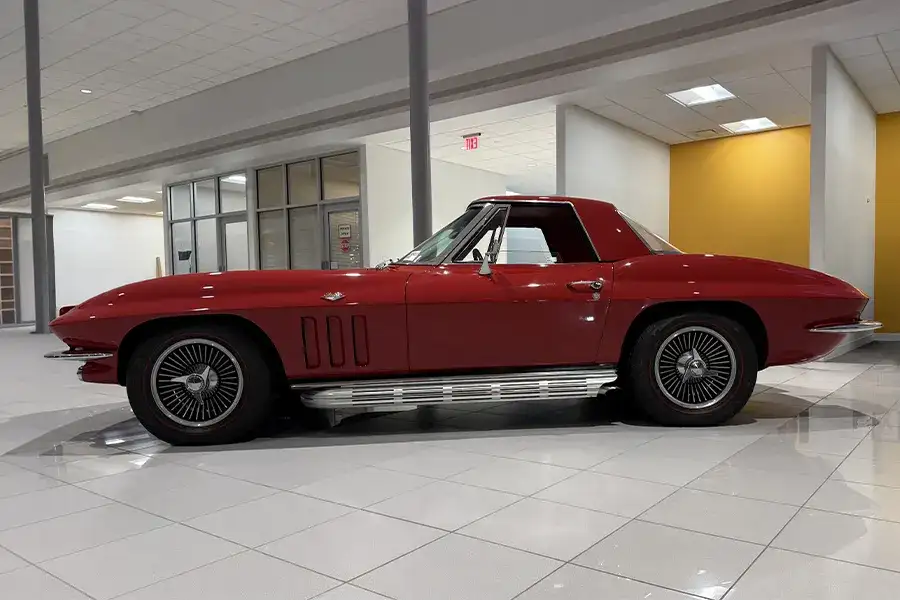
Lower mileage can be especially valuable when you plan to keep the vehicle for a long time, drive often, or want more time before major mileage-based service intervals arrive.
A lower-mileage used car, truck, or SUV may make sense if:
- You need a dependable daily driver for work, school, or family routines
- You drive longer distances across northern New Hampshire
- You want a newer-feeling vehicle without buying new
- You are trying to limit near-term wear-and-tear concerns
- You want more flexibility for future resale or trade-in value
Lower mileage is helpful, but it should still be backed by a strong inspection and service history. A low-mileage vehicle that rarely moved may still need tires, fluids, brakes, or battery attention.
When Vehicle Age Matters More
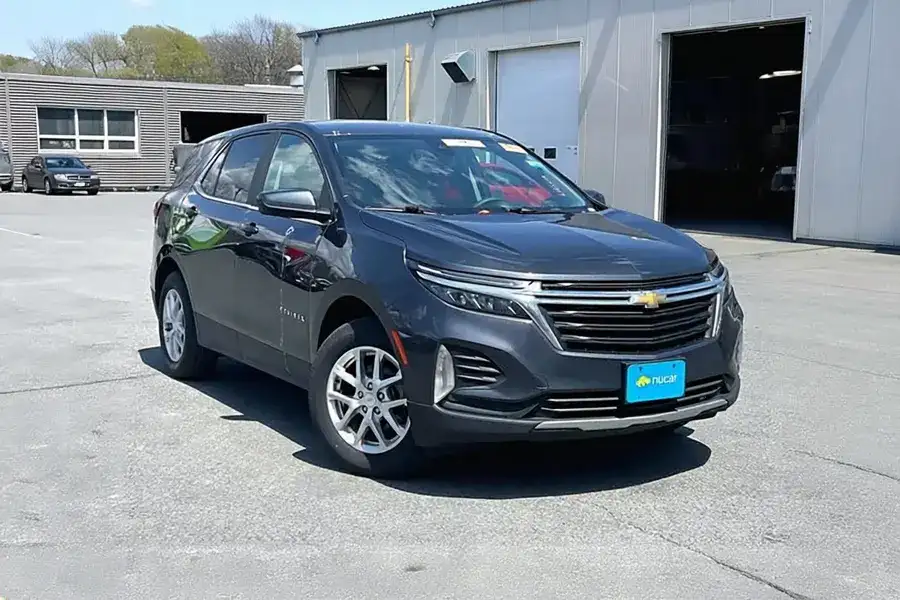
Age can matter more than mileage when a vehicle has spent long periods parked, stored outdoors, or driven only occasionally. Low mileage may look attractive, but inactivity can create its own problems.
An older low-mileage vehicle deserves a closer look for:
- Dry or cracked tires
- Weak battery performance
- Brake corrosion
- Stale fluids
- Rust underneath the vehicle
- Dried seals or gaskets
- A/C or heating issues
- Outdated infotainment or safety technology
For shoppers who want modern comfort, updated technology, and more confidence in daily use, a newer higher-mileage vehicle may sometimes be the better fit than an older low-mileage one. The right answer depends on how the vehicle was maintained and how it drives today.
Why Rust and Underbody Condition Matter in New Hampshire
Rust and underbody condition deserve extra attention when shopping for a used vehicle in northern New Hampshire. Winter road treatment, moisture, temperature swings, and rural road conditions can affect a vehicle over time, even when the mileage looks appealing.
A clean exterior does not always tell the whole story. When comparing used vehicles, pay attention to the underside, wheel wells, brake lines, exhaust components, suspension areas, rocker panels, and door edges. Surface rust may be normal on some used vehicles, but heavy corrosion can affect long-term value and repair needs.
This is especially important for used trucks and SUVs that may have been used for towing, hauling, winter travel, or outdoor recreation near places like Barnes Field, Wild River Campground, or Jericho Mountain State Park. Capability matters, but condition matters just as much.
Gorham-Area Driving Conditions to Consider
Used-car shopping in Gorham is different from shopping in a flat, mild-weather region. Local roads, winter weather, hills, work travel, and recreation can all shape the right choice.
A used sedan with good fuel economy may be a smart fit for daily commuting. A used SUV with all-wheel drive may make sense for family travel and winter confidence. A used truck with 4×4 may be the right choice for towing, hauling, jobsite needs, or weekend gear.
Before choosing based only on mileage or age, think about how the vehicle will be used:
- Daily errands around Gorham and Main Street
- Commuting on Lancaster Road or Glen Road
- Work travel toward Berlin, Jefferson, or Whitefield
- Winter driving on treated roads
- Weekend recreation near Jericho Mountain State Park
- Camping trips near Barnes Field or Wild River Campground
- Towing, hauling, or carrying outdoor gear
- Fuel costs for longer drives across the North Country
All-wheel drive and 4×4 can be valuable, but they are not substitutes for good tires, strong brakes, and sound maintenance. A vehicle with the right equipment and the right condition will usually serve you better than one chosen only because the odometer is lower.
Maintenance History Can Matter More Than Both
A well-maintained used vehicle can be a stronger buy than a lower-mileage vehicle with unknown care. Service history helps show whether the previous owner kept up with the basics.
When comparing used vehicles, ask about:
- Oil change history
- Brake service
- Tire condition and age
- Fluid changes
- Battery replacement
- Alignment and suspension work
- Recall completion
- Vehicle history reports
- Prior ownership and usage
- Recent inspection or reconditioning details
Good maintenance reduces guesswork. It can also help you understand what service may be coming next, which is important when setting a smart used-car budget.
How to Compare Two Used Vehicles Side by Side
When two vehicles are similar in price, mileage, and age, look deeper before deciding. A side-by-side comparison should include the full ownership picture, not just the odometer.
Use these questions as a starting point:
- Which vehicle has the stronger service history?
- Which one has better tires and brakes?
- Which one shows fewer signs of rust or corrosion?
- Which one fits your daily driving routine better?
- Which one has the safety and technology features you want?
- Which one feels better during the test drive?
- Which one fits your financing and insurance budget?
- Which one gives you more confidence after inspection?
A test drive can also reveal things numbers cannot. Start the vehicle cold if possible, listen for unusual sounds, check for warning lights, test the heat and A/C, feel how the transmission shifts, and pay attention to braking, steering, visibility, and road noise.
What Should You Check on an Older Low-Mileage Car?
An older low-mileage car should be checked for age-related wear, not just odometer reading. Low mileage can be a positive sign, but time still affects tires, fluids, batteries, seals, belts, hoses, and brakes.
Before buying an older low-mileage vehicle, look closely at tire date codes, brake condition, battery age, fluid service history, underbody corrosion, and how the vehicle feels after sitting overnight. A vehicle that was parked for long stretches may need maintenance even if it was not driven very far.
Is a Newer High-Mileage Car Better Than an Older Low-Mileage Car?
A newer high-mileage car can be better than an older low-mileage car if it has a strong service history, good condition, and the features you want. Newer vehicles may offer more current technology, safety features, and comfort, while higher mileage may be less concerning when most of those miles came from steady driving and regular maintenance.
An older low-mileage vehicle can still be a smart purchase, especially if it was stored properly and maintained well. The better choice is the one that feels stronger after inspection, test drive, history review, and budget comparison.
How Many Miles Is Too Many for a Used Car?
There is no universal mileage number that makes a used car too high-mileage. The answer depends on the vehicle, maintenance history, condition, price, and how long you plan to keep it.
Instead of asking only how many miles are too many, ask what the mileage means. Has the vehicle been maintained on schedule? Are the tires, brakes, suspension, and fluids in good condition? Does it drive smoothly? Does it fit your budget after insurance, fuel, and expected maintenance? Those answers matter more than a single number.
Should You Choose Certified Pre-Owned If You Are Worried About Mileage?
Certified pre-owned can be a good option if you want added confidence while shopping used. At Nucar Pre-Owned Superstore Gorham, all pre-owned certified vehicles come with a 3-month / 4,000-mile limited powertrain warranty and 3 years of roadside assistance.¹
That added coverage can be helpful if you want more reassurance than a standard used vehicle may provide while still shopping pre-owned. Certified options can vary by vehicle, so it is always smart to compare the specific mileage, age, warranty details, condition, and service history before deciding.
Find a Used Vehicle That Fits Your Life in Gorham
Mileage and age are important, but the right used vehicle is the one that fits your budget, your driving needs, and your confidence level. A lower-mileage vehicle may be the right move for one shopper, while a newer higher-mileage vehicle with excellent maintenance may be the better choice for another.
Nucar Pre-Owned Superstore Gorham can help you compare options with the full picture in mind: mileage, age, condition, service history, features, financing, trade-in value, and local driving needs. Browse our used vehicle inventory, explore certified pre-owned vehicles, value your trade, or start with our finance application. When the right used car, truck, SUV, or van makes the road ahead feel clearer, it is easy to see why Everyone loves a Nucar!
0 comment(s) so far on Mileage vs. Age: What Matters More When Buying a Used Car?